
Difficulty Bomb
A difficulty bomb is a mechanism built into a blockchain protocol that gradually increases mining difficulty over time until block production becomes extremely slow or practically impossible. The primary purpose of a difficulty bomb is to encourage the network to transition to a new consensus mechanism or protocol upgrade. The concept became widely known through Ethereum, where developers introduced the difficulty bomb to support Ethereum’s migration from PoW to PoS.
Difficulty Bomb Explained in Simple Terms
A difficulty bomb acts like a countdown timer for miners.
As time passes:
mining difficulty increases faster and faster
blocks take longer to mine
mining becomes less profitable
eventually the blockchain slows dramatically
The idea is to push the community toward upgrading the network instead of continuing to use outdated software or consensus rules.
In Ethereum, the difficulty bomb was designed to make PoW mining increasingly impractical so validators would move to Proof of Stake.
How Difficulty Bomb Works
Blockchain networks normally adjust mining difficulty gradually to maintain stable block times.
A difficulty bomb introduces an additional exponential increase.
The simplified idea looks like this:
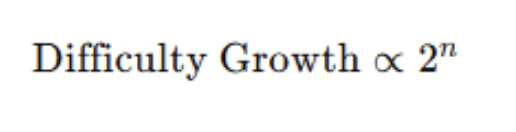
Where:
nnn increases over time
mining difficulty accelerates exponentially
This creates what developers sometimes call the “Ice Age”:
block times become extremely slow
transaction confirmations slow down
network usability decreases
Example of Difficulty Bomb in Practice
Imagine a blockchain with:
normal block time: 15 seconds
After the difficulty bomb activates:
block times rise to 20 seconds
then 30 seconds
then 1 minute
eventually several minutes per block
This dramatically reduces network performance and miner efficiency.
Why Difficulty Bombs Exist
1. Force Protocol Upgrades
Difficulty bombs encourage users, miners, and developers to adopt new blockchain versions.
2. Transition Consensus Mechanisms
Ethereum used the difficulty bomb to support migration from:
Proof of Work → Proof of Stake
3. Prevent Permanent Chain Splits
Difficulty bombs discourage miners from remaining on outdated chains after major upgrades.
4. Maintain Developer Coordination
The mechanism helps ensure the ecosystem upgrades together rather than fragmenting indefinitely.
Ethereum and the Difficulty Bomb
Ethereum introduced the difficulty bomb in its early development roadmap.
Goals included:
discouraging permanent PoW mining
preparing for Ethereum 2.0
motivating validator adoption
Over time, Ethereum developers delayed the difficulty bomb several times through hard forks because the Proof of Stake transition required more development time.
Examples of upgrades delaying the bomb:
Byzantium
Constantinople
London
Arrow Glacier
Gray Glacier
Eventually, Ethereum completed its transition to PoS during “The Merge” in 2022.
What Happens During a Difficulty Bomb
As the bomb activates:
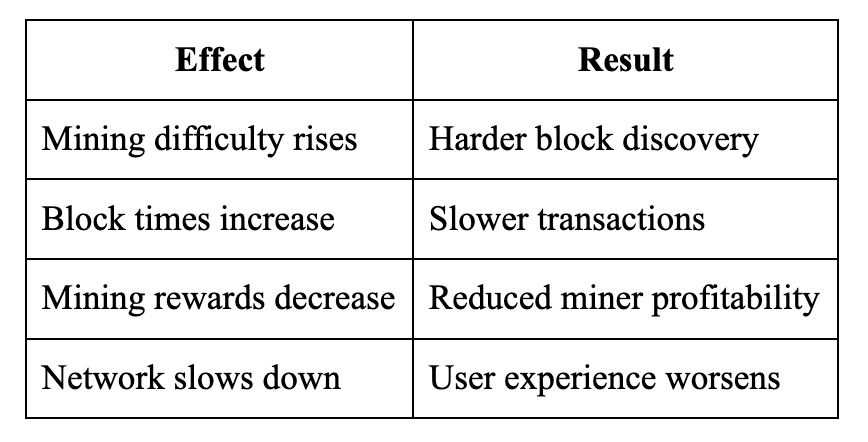
If no upgrade occurs, the blockchain can become nearly unusable.
Advantages of a Difficulty Bomb
1. Encourages Innovation
Promotes adoption of improved blockchain architectures.
2. Helps Coordinate Upgrades
Aligns developers, miners, exchanges, and users around major transitions.
3. Reduces Old Chain Incentives
Discourages continued mining on deprecated networks.
4. Supports Consensus Migration
Useful during transitions from PoW to PoS systems.
Risks and Criticism
1. Upgrade Delays
If new protocol versions are not ready, developers may repeatedly postpone the bomb.
2. Miner Opposition
Miners may resist changes threatening mining profitability.
3. Network Slowdowns
Users experience higher transaction delays during activation periods.
4. Governance Tensions
Difficulty bombs can intensify disagreements between developers and miners.
Difficulty Bomb and Mining Profitability
As mining difficulty rises:
miners consume more electricity
rewards become harder to earn
operational costs increase
profitability declines