
Can You Sell Pi Coin? Trading, Listing Status, and Launch Timeline Explained
Introduction
You have probably spent months, or maybe even years, tapping that lightning bolt icon on your phone every single day. Now that you have built up a balance, the only question that actually matters is how to sell pi coin. It is the elephant in the room for millions of “Pioneers” who are tired of looking at numbers on a screen and want to see real cash in their bank accounts. I get the frustration. The internet is a chaotic mess of rumors, and finding a straight answer is harder than it should be.
Right now, the situation is confusing because you might see Pi listed on certain exchanges, yet your app says the network is closed. This guide is here to clear the smoke. We will dig into where to sell pi coin, the reality of those exchange listings, and what steps you actually need to take before your coins are worth anything in the real world. This isn’t a hype piece; it is a reality check on where the project stands today.
I have seen plenty of crypto projects promise the moon and deliver nothing. Pi is taking a different path, which is both interesting and incredibly slow. We are going to look at the official roadmap and the risks of trying to jump the gun. If you are looking for a way to turn your mobile mining into actual profit, you need to understand the rules of the Enclosed Mainnet first.
What Is the Current Status of Pi Coin?
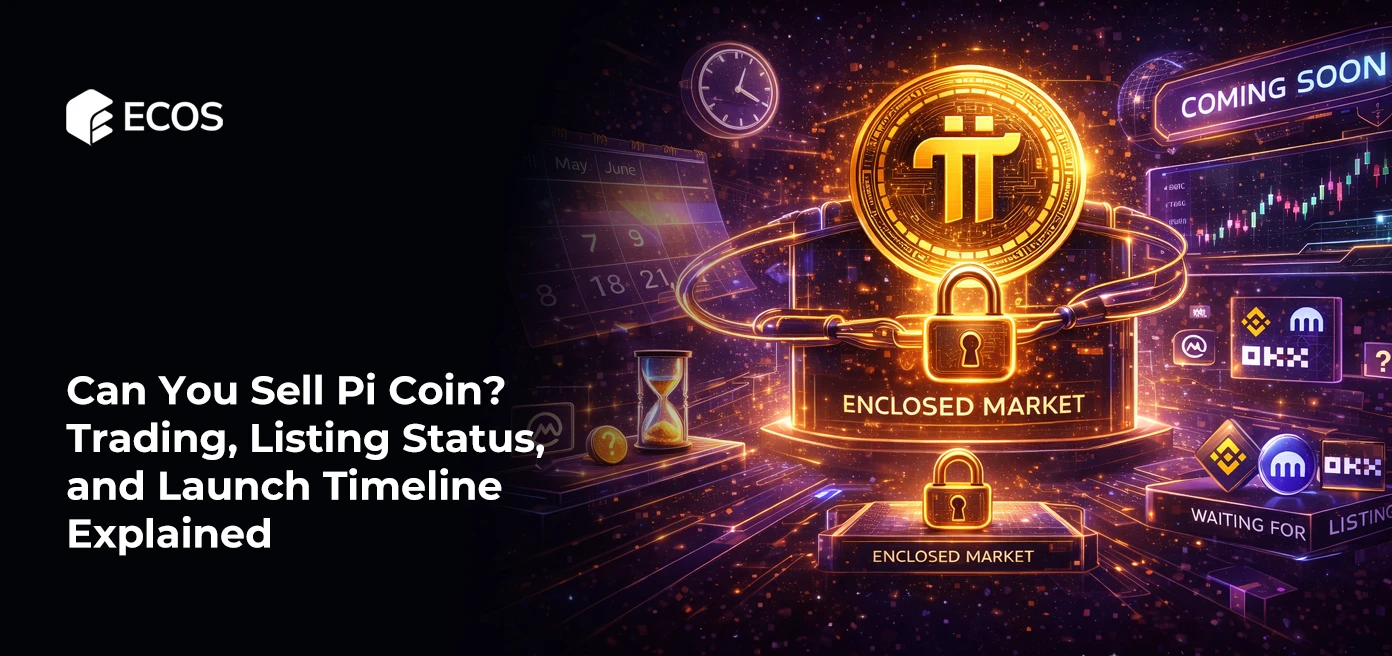
To get a clear picture of why you can’t just hit a “sell” button, you have to look at the “Enclosed Mainnet” phase. This is where Pi sits today. The blockchain is actually live, and people are sending coins to each other every day, but there is a massive digital wall—a firewall—around the entire network. This wall keeps the ecosystem safe while the developers focus on KYC (identity verification) and building real apps. It also means the coin is not yet connected to the outside world .
I think this phase is what causes the most confusion for people. You see a growing balance in your phone, but you cannot move it to a major exchange like Binance or Kraken. The Core Team has stated they need to reach specific goals before they drop the firewall. They want millions of people to finish their KYC so the network is truly decentralized, and they want enough utility within the Pi Browser so the coin has a reason to exist beyond just being traded for cash .
Essentially, the status is “operational but locked.” If you have completed your migration, you can technically use your coins to buy products or services from other “Pioneers” through the Pi Browser. But if you are searching for where to sell pi coin for dollars or Bitcoin, the official answer is nowhere—at least not yet. The network is waiting for its “Open Mainnet” moment, which depends on community progress rather than a fixed calendar date .
Can You Sell Pi Coin Right Now?
Official Restrictions
The short answer is no, you cannot sell your Pi for cash on a legitimate market today. The Core Team is strict about this. During the current Enclosed Mainnet phase, any attempt to exchange Pi for fiat currency like USD or other cryptocurrencies is a direct violation of their terms of service. You are allowed to use your coins for peer-to-peer transactions—buying a product from another user or a digital service in the Pi Browser—but that is where it ends. They have built a system that is essentially a one-way street until they decide to open the gates to the public .
Why Most Exchanges Do Not Support Pi
You might wonder why big names like Binance or Coinbase haven’t listed the coin yet. It is simple: there is no way for them to connect to the Pi blockchain. Since the network is behind a firewall, exchanges cannot verify transactions or hold actual Pi in their wallets. Any platform claiming to let you trade Pi right now is likely using “IOUs.” These are just placeholders, not the actual coins sitting in your phone app . Most reputable exchanges stay away because they don’t want the legal headache of listing a token that isn’t technically tradable yet.
Risks of Attempting to Sell Early
Trying to bypass these rules is a dangerous game. I have seen reports of people losing their entire balance because they tried to sell through “black market” groups on social media. The developers have the power to track transactions on the blockchain and they can freeze accounts that show suspicious activity. Beyond that, the space is crawling with scammers who promise to buy your coins and then vanish once you send them. To me, it feels like a massive gamble with very poor odds. You are better off waiting for the official launch than losing years of mining for a few quick bucks that might never arrive .
Where Is Pi Coin Listed?
If you open CoinMarketCap or any other price tracker, you might be surprised to see Pi trading for twenty, forty, or even sixty dollars. It looks like a normal cryptocurrency. However, if you are looking for where to sell pi coin and expect to just send your mined balance to an exchange, you are going to hit a wall. The listings you see don’t represent the actual network that lives on your phone. It is a confusing situation that leads many people into expensive traps.
Official Exchange Listings (If Any)
The simple truth is that there are zero official listings for Pi right now. No major platform like Binance, Coinbase, or Kraken has opened its doors to the real Pi token. The Core Team has been very clear about this: they haven’t authorized any exchange to trade the coin while the network is in its Enclosed Mainnet phase. Any site claiming to have an official partnership or “early access” listing is flat out lying to you. The firewall around the blockchain makes it impossible for these platforms to actually hold your coins.
IOU Listings Explained
So, what are you seeing on exchanges like HTX (formerly Huobi) or BitMart? These are called IOUs, which stands for “I Owe You.” Essentially, the exchange is letting people trade a placeholder. It is a bet on what the price will be when the network finally opens. When you buy these, you aren’t buying real crypto; you are buying a promise from the exchange that they will give you the real coins later. Since you cannot deposit the Pi from your app into these exchanges, you can’t sell your mined balance there.
Why IOU Trading Is Risky
Trading IOUs is like playing poker with fake chips that might never be cashed in. The prices on these exchanges are often completely disconnected from each other because there is no way to move coins between platforms to balance the market. I think it is incredibly dangerous for regular users. If the project fails or the Open Mainnet launch is delayed again, those IOUs could go to zero instantly. Plus, since you can’t move your own coins there, these listings are useless for the average Pioneer who just wants to cash out their hard work.
Where to Trade Pi Coin (When Available)
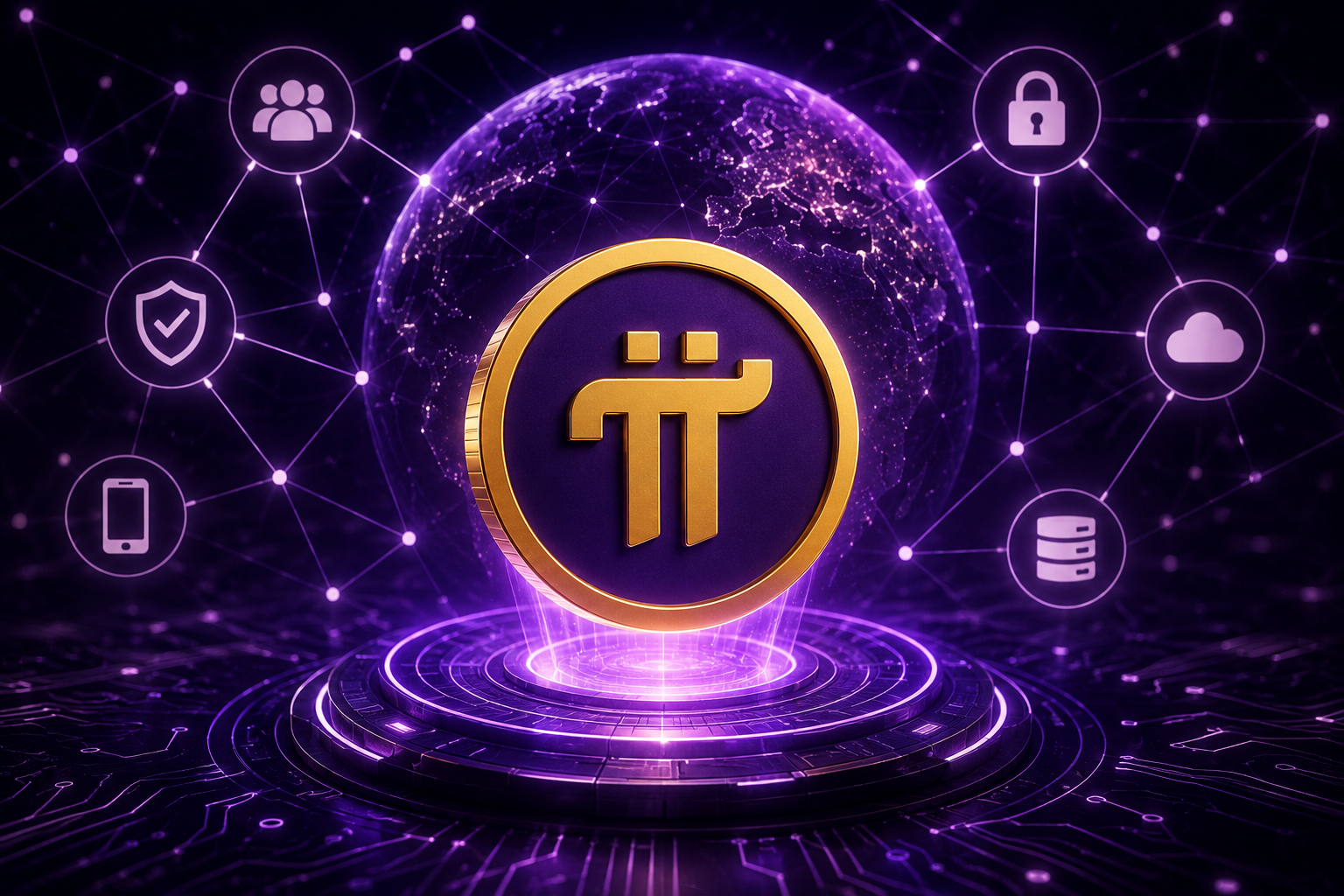
Right now, looking for where to trade pi coin is a bit of a waiting game. Since the network hasn’t officially opened its doors to the outside world, you won’t find it on your favorite trading apps just yet. However, once the Open Mainnet launch happens, the community expects the biggest names in the industry to join the party. Platforms like Binance, OKX, and Bybit are usually the first to list coins with such a massive user base because they want that trading volume .
I suspect that the first few hours of trading will be chaotic. Everyone will be trying to figure out where can i trade pi coin for the best price, which usually leads to massive price swings. It is likely that the Pi Core Team will announce official partners or preferred exchanges closer to the launch date. My advice? Keep your KYC updated and your wallet passphrase safe, because when the green light flashes, you’ll need to move fast to get your coins onto an exchange before the initial rush slows down.
We also have to consider the decentralized options. Once the firewall is gone, Pi could theoretically be traded on platforms like Uniswap or PancakeSwap if someone provides liquidity. This would give you more control, but it’s also where a lot of people get scammed. I personally think sticking to the major, regulated exchanges will be the safest bet for most Pioneers who aren’t crypto experts. It is better to pay a small fee for security than to lose everything in a dodgy liquidity pool .
How to Sell Pi Coin (When It Becomes Tradable)
Even though we are still in the waiting phase, it’s smart to have a plan for the day the gates finally open. Many people think they will just click a button and see money in their bank account, but crypto rarely works that way. Understanding how to sell pi coin involves a few technical steps that you should learn now so you don’t make an expensive mistake during the initial market rush.
Step-by-Step Selling Process
When the Open Mainnet goes live, the process will likely be similar to any other mobile-mined token. First, you will need to move your migrated balance from your Pi Wallet to an exchange that supports the coin. I expect most Pioneers will flock to the first platform that announces a listing. Once your coins are on the exchange, you will place a “sell” order, usually trading your Pi for a stablecoin like USDT or directly for USD. From there, it is just a matter of withdrawing the funds to your linked bank account or debit card .
Wallet Transfer and KYC
I have seen many users get excited about their balance only to realize they haven’t finished the basics. Your coins are just numbers on a screen until you pass KYC and migrate them to the Mainnet. This is a mandatory step. Once you pass, there is a 14-day pending period where your coins are locked in your wallet. You cannot skip this. If you are looking for where to sell pi coin, remember that no exchange will accept your deposit until those coins are officially “unlocked” and sitting in your Mainnet balance, not just the mining app .
Converting Pi to Fiat or Other Crypto
The final step is the most satisfying: turning digital digits into spendable cash. After you trade your Pi on an exchange, you will have a balance in USDT, Bitcoin, or fiat currency. If you want to get that money into your hands, you’ll use the exchange’s withdrawal system. Most major platforms offer P2P (peer-to-peer) trading or direct bank transfers. I personally think that keeping an eye on the withdrawal fees is a good idea, as they can eat into your profits if the price of Pi is volatile during the first few days of trading .
When Will Pi Coin Launch Officially?
If you are looking for a specific date on a calendar, I have some bad news: it doesn’t exist yet. The Pi Core Team has avoided naming a “deadline” for the Open Mainnet launch for years, which has led to a lot of frustration in the community. However, they have shared a roadmap that outlines the conditions needed for the firewall to come down. They aren’t looking at a clock; they are looking at milestones. Specifically, they want to see a certain number of users finish KYC and enough real-world apps running in the Pi Browser .
In late 2023 and early 2024, the team hinted that the transition to Open Mainnet could happen in 2024 if three conditions are met. These include finishing the technical and legal work, hitting the targets for KYC and migration, and having a favorable global market. I’ve seen these kinds of conditions before in other projects, and they are often used to give the developers an out if things aren’t ready. If the crypto market is crashing or if the KYC process hits another snag, the launch could easily slide into 2025 or beyond .
I think it is important to be realistic here. The “Open” part of the network means that the coin becomes tradable for other assets and fiat money. Once that happens, the price will be determined by supply and demand, not by what people hope it is worth. The team is clearly terrified of a mass sell-off that would tank the value before the ecosystem is stable. So, while we all want to know when will pi coin launch, the answer depends more on how fast the community completes its “to-do list” than on any official announcement .
Why some platforms claim to list Pi coin
If you search for where to sell pi coin, you’ll likely find sites like CoinMarketCap or certain exchanges showing a price chart. It is easy to see why this is confusing. You have coins in your app, the exchange says “Pi,” and you think you’re ready to trade. Но as I’ve mentioned before, these are not the same thing. Platforms list these “IOUs” primarily to drive traffic and capitalize on the massive search volume the Pi community generates.
I think it is a bit of a marketing gimmick. Exchanges know that millions of people are searching for where can i trade pi, so they create a page for it to rank in search results. By offering IOU trading, they earn money from transaction fees while the users take all the risk. These platforms have no connection to the actual Pi Network blockchain right now. They are basically running an internal betting market on what the price might be in the future.
This is why you see such wild price differences between sites. Since no one can move real coins onto these exchanges to balance the supply, the price is just whatever the local speculators decide it is. To me, it feels like a trap for people who don’t understand the difference between a real asset and a placeholder. If you are looking for a legitimate way how to sell pi coin, these claims of early listings are something you should probably ignore.
Risks of trying to sell Pi coin early
Trying to sell your Pi right now is a massive risk that simply isn’t worth it. Here is why you should think twice:
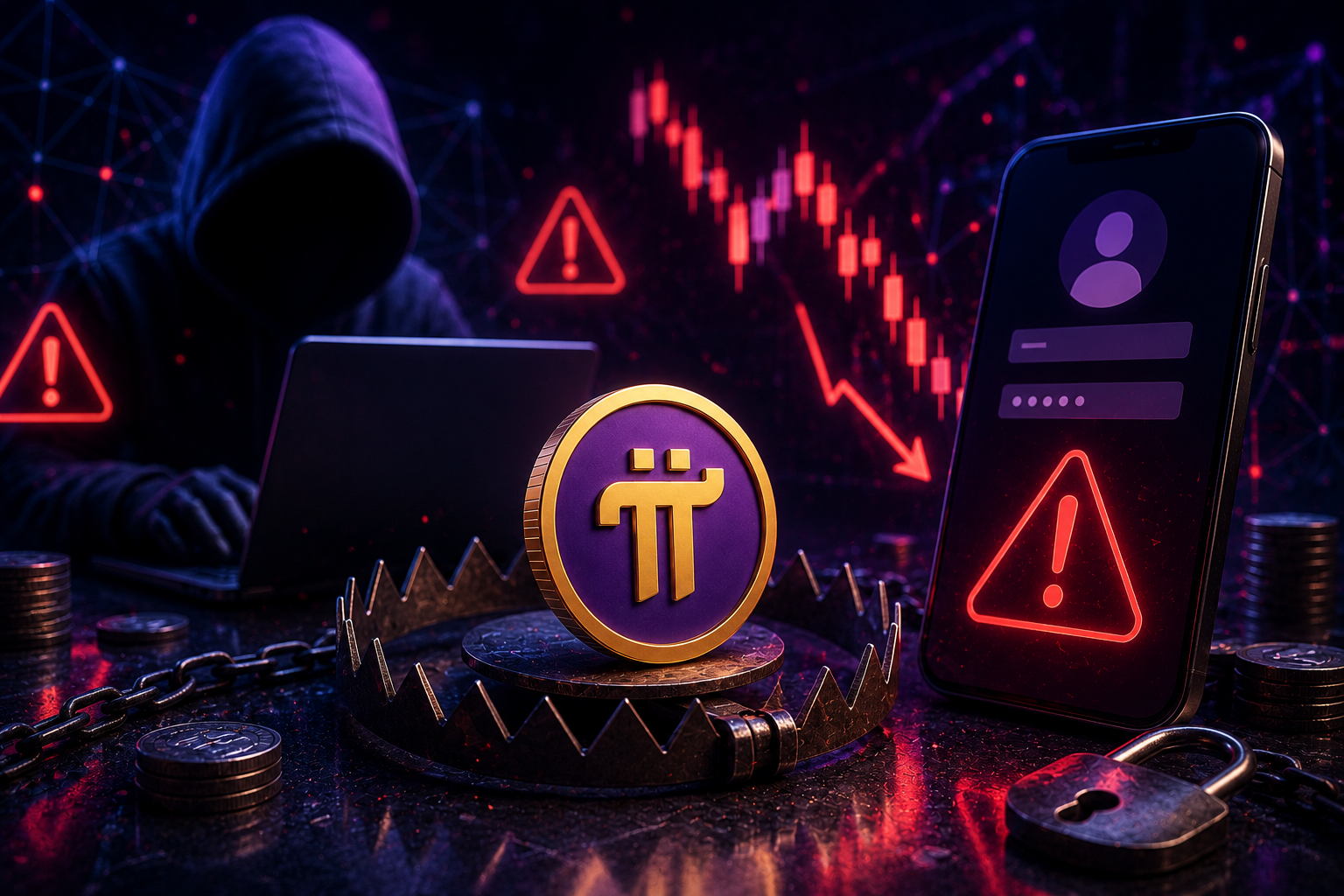
- Account Bans: The Pi Core Team actively monitors the blockchain for suspicious transfers. Since the network is currently “enclosed,” selling for fiat violates the Terms of Service. If caught, your account can be permanently frozen, wiping out years of mining effort in seconds.
- The Scam Epidemic: Because there is no official trading platform, you are forced to rely on “trust” with strangers on Telegram or X. Most of these buyers are scammers who will block you the moment they receive your coins. On a blockchain, there is no “undo” button; once the coins are sent, they are gone forever.
- Identity and Wallet Theft: Shady P2P “desks” often ask for your ID or, worse, your wallet passphrase. Giving away your passphrase is the digital equivalent of handing over the keys to your bank vault. Fraudsters can wait until the Open Mainnet launch to drain your entire balance.
If you’re wondering how to sell safely, the honest answer is: you can’t—not yet. Risking your entire long-term stake for a small, uncertain payout today is a losing bet. The only secure path is to wait for the official Open Mainnet launch.
Conclusion
I know it is hard to hear, but the truth is that your Pi balance is currently a digital promise. We have looked at how to sell pi coin and the risks of trying to cheat the system, and the result is clear: you have to wait. There are no shortcuts that don’t end in a scam or a banned account. The project has a massive community, which is its biggest strength, but that community is currently locked behind a technical firewall while the developers finish their work .
I personally think the next year will be the real test for the Core Team. They need to deliver on the Open Mainnet launch or risk losing the trust of their most loyal Pioneers. Until that day comes, your best move is to finish your KYC, keep your passphrase safe, and ignore the hype on social media. Turning a mobile app into a financial asset takes time, and Pi is definitely taking the long road. It isn’t a get-rich-quick scheme, and treating it like one is the fastest way to lose what you have mined .
Published Articles

Crypto On-Ramps and Off-Ramps Explained: How Fiat and Crypto Move In and Out
Entering the world of digital assets often feels like trying to cross...
 Popular
Bitcoin Pizza Guy: The Story Behind the First Real Bitcoin Purchase
Introduction The history of Bitcoin is full of dramatic ups and downs,...
Crypto Basics Explained: A Beginner’s Guide to Cryptocurrency and Trading
Introduction The world of finance is changing right before our eyes. Just...
 Popular
Uniswap Explained: What It Is, How It Works, and How to Use the UNI DEX
Introduction Decentralization and decentralized platforms that have emerged in recent years have...
 Popular
Bitcoin Lightning Network Explained: What It Is and How Bitcoin Lightning Works
Introduction In the world of cryptocurrency, transaction speed and costs have always...
How Bitcoin ATMs Work: A Complete Guide to Using Crypto ATMs
Introduction Millions of people around the world use cryptocurrencies today – at...